


Mera Peak Trek - 11 Day

Mera Peak Trek
$ 1650 Per Person

We Offer Group Discount

  • No. Of People Price
  • 1-2 US$ 1800
  • 3-10 US$ 1700
  • 11-20 US$ 1600
Book Now Enquiry Whatsapp +977 9862854770 Download PDF

Tour leading by well trained team

Hassle-free and instant booking

100% customers satisfaction

reasonable price & best service

no hidden cost & secure payment

Facts About Trip

Group Size:

2 to 25 Peoples

Transportation:

Flight

Accommodation:

Best available

Best season:

Spring and Autumn

Meals:

Breakfast/Lunch/Dinner

Tour type:

Trekking

Grade:

Moderate/Adventure

Trekking Region

Everest Region

Duration

11 Days.

Starts From

Lukla

Ends at

Lukla

Max Elevation

6476m

Mera Peak Trek Overview

Trip Highlights

  • The Mera Peak Trek is one of the most popular peak climbing adventures in Nepal.
  • It is located in the remote Everest region, offering a less crowded trekking experience.
  • Mera Peak stands at an elevation of 6,476 meters, making it the highest trekking peak in Nepal.
  • The trek provides a perfect combination of trekking and non-technical peak climbing.
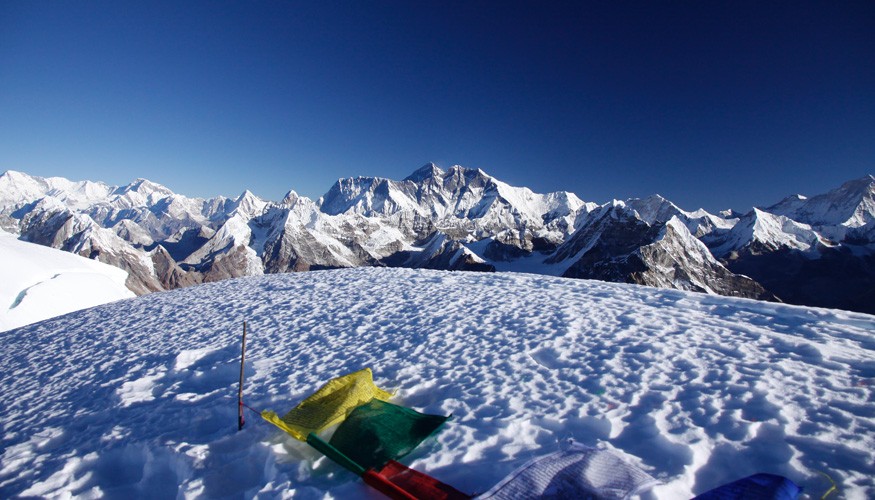
  • Trekkers enjoy spectacular views of five of the world’s highest mountains from the summit.
  • These include Mount Everest, Lhotse, Makalu, Cho Oyu, and Kanchenjunga.
  • The trek usually begins with a scenic flight to Lukla.
  • The trail passes through remote valleys, dense forests, and high alpine landscapes.
  • Trekkers experience traditional Sherpa culture along the route.
  • Villages like Paiya, Panggom, and Khare provide cultural interaction opportunities.
  • The trek includes gradual acclimatization days to adapt to the high altitude.
  • Khare is the base camp for Mera Peak climbing preparation.
  • Climbers receive basic mountaineering training before the summit push.
  • The climb involves glaciers, snow slopes, and the use of crampons and ropes.
  • Despite being non-technical, it requires good physical fitness and endurance.
  • The summit day offers breathtaking sunrise views over the Himalayas.
  • The trail is less crowded than the Everest Base Camp, offering solitude.
  • Trekkers pass through rhododendron forests and wildlife-rich areas.
  • The region is part of the Makalu Barun National Park, rich in biodiversity.
  • Spring (March–May) is ideal for stable weather and clear views.
  • Autumn (September–November) provides the best visibility and trekking conditions.
  • Winter climbing is possible, but more challenging due to extreme cold.
  • The monsoon season is generally avoided due to rain and poor visibility.
  • With Unique Sherpa Trek & Expedition Pvt. Ltd., climbers receive expert guides and climbing support.
  • The company provides permits, logistics, climbing gear support, and safety measures.
  • Professional Sherpa guides ensure safe summit attempts and proper acclimatization.
  • The trek offers both adventure and cultural immersion in the Himalayas.
  • Trekkers gain unforgettable experiences of high-altitude trekking and climbing.
  • Mera Peak is considered the best introductory Himalayan peak for beginners.
  • The Mera Peak Trek is a once-in-a-lifetime journey combining trekking, climbing, and stunning Himalayan panoramas.


Overview of the Mera Peak Trek

The Mera Peak Trek is one of Nepal's most exciting and rewarding Himalayan adventures, combining scenic trekking with the thrill of climbing Mera Peak (6,476m), the highest trekking peak in Nepal. Organized by Unique Sherpa Trek & Expedition Pvt. Ltd., this unforgettable expedition is perfect for trekkers and aspiring climbers seeking a genuine Himalayan experience, breathtaking mountain scenery, and the achievement of standing atop one of Nepal's most iconic trekking peaks.

Unlike the busy Everest Base Camp trail, the Mera Peak Trek in Nepal follows the peaceful and unspoiled Hinku Valley, passing through pristine forests, alpine meadows, glacial rivers, and traditional Sherpa villages. The combination of remote wilderness, spectacular mountain views, gradual acclimatization, and a non-technical summit climb makes Mera Peak one of the best trekking peaks for both beginners and experienced adventurers.

With experienced Sherpa climbing guides, carefully planned acclimatization, and professional logistical support from Unique Sherpa Trek & Expedition Pvt. Ltd., climbers can confidently experience one of Nepal's most rewarding high-altitude adventures while exploring the hidden beauty of the Everest region.

High-Altitude Himalayan Adventure

One of the most exciting aspects of the Mera Peak Trek is reaching the summit at 6,476 meters (21,247 ft) above sea level. As Nepal's highest trekking peak, Mera Peak offers an incredible sense of achievement while remaining technically easier than many Himalayan expeditions.

Due to the high altitude, proper acclimatization is essential to reduce the risk of Acute Mountain Sickness (AMS). Unique Sherpa Trek & Expedition Pvt. Ltd. carefully designs every itinerary with gradual elevation gain, acclimatization days, and experienced Sherpa guides who continuously monitor your health and safety throughout the expedition.

Remote Himalayan Wilderness

The Mera Peak Trek takes you through the untouched Hinku Valley, one of the most beautiful and peaceful trekking regions in Nepal. Unlike the crowded Everest Base Camp route, the Hinku Valley offers quiet trails, dense rhododendron and pine forests, glacial rivers, alpine landscapes, and spectacular mountain scenery. Trekkers experience authentic Sherpa culture while enjoying the tranquility of one of Nepal's hidden Himalayan gems.

Our experienced team manages all permits, accommodation, transportation, climbing logistics, and safety arrangements, ensuring a seamless and unforgettable trekking experience.

Scenic Mountain Trails

The trail to Mera Peak Base Camp and High Camp features diverse Himalayan landscapes, including lush forests, suspension bridges, yak pastures, glacier moraines, rocky trails, and snow-covered slopes.

Although the climb is considered non-technical, the final summit day requires the use of mountaineering equipment such as crampons, harnesses, ropes, and ice axes. Before the summit push, our experienced climbing guides provide practical training to ensure every participant feels confident and well-prepared. Trekkers should have good physical fitness and previous hiking experience to comfortably complete this incredible Himalayan adventure.

Spectacular Himalayan Weather

Weather in the Everest region can change rapidly, especially above 5,000 meters. Bright sunshine may quickly give way to snowfall, clouds, or strong mountain winds. For the best climbing experience, Unique Sherpa Trek & Expedition Pvt. Ltd. recommends undertaking the Mera Peak Trek during spring (March to May) and autumn (September to November), when weather conditions are generally stable, visibility is excellent, and climbing conditions are at their safest. Our experienced guides closely monitor weather forecasts to ensure the safest possible summit attempt.

Challenging but Achievable Climb

The Mera Peak Trek generally lasts 16 to 18 days, including sufficient acclimatization before the summit attempt. Daily trekking typically ranges from 5 to 7 hours, while the summit day may require 8 to 10 hours of climbing and descent.

Although the climb demands physical endurance, determination, and mental strength, Mera Peak remains one of the most accessible Himalayan trekking peaks for beginners who are properly prepared. With professional guidance from Unique Sherpa Trek & Expedition Pvt. Ltd., climbers enjoy a safe, enjoyable, and successful journey to one of Nepal's most spectacular summits.

Major Attractions of the Mera Peak Trek

The Mera Peak Trek offers much more than reaching a Himalayan summit. It is a remarkable journey through pristine valleys, traditional Sherpa villages, glacial landscapes, and some of the finest mountain scenery in Nepal.

Spectacular Himalayan Mountain Views

One of the greatest highlights of the Mera Peak Climbing expedition is the breathtaking panorama from the summit. On a clear day, climbers enjoy spectacular views of five of the world's highest mountains, including Mount Everest, Lhotse, Makalu, Cho Oyu, and Kanchenjunga, along with Ama Dablam, Baruntse, Nuptse, Chamlang, and countless surrounding Himalayan peaks. The sunrise from the summit of Mera Peak is widely regarded as one of the most spectacular mountain views in Nepal.

Rich Biodiversity of the Hinku Valley

The trail passes through the pristine Makalu Barun National Park, one of Nepal's richest biodiversity hotspots. Trekkers walk through colorful rhododendron forests, bamboo groves, pine forests, alpine meadows, and glacier landscapes while enjoying ever-changing scenery.

Wildlife enthusiasts may encounter red pandas, Himalayan black bears, musk deer, Himalayan thar, snow leopards, and numerous Himalayan bird species. During spring, blooming rhododendron forests transform the valley into one of Nepal's most beautiful trekking destinations.

Mera Peak Summit (6,476m)

Reaching the summit of Mera Peak (6,476m) is the ultimate highlight of the expedition. The broad snow-covered summit provides one of the finest panoramic viewpoints in the Himalayas, rewarding climbers with unforgettable 360-degree views stretching across eastern Nepal and Tibet. Successfully standing atop Nepal's highest trekking peak is a lifelong achievement for every adventurer.

Mera Glacier and High Camp

The journey to Mera High Camp crosses the spectacular Mera Glacier, offering breathtaking views of ice formations, crevasses, snowfields, and surrounding Himalayan giants. Camping at High Camp beneath a sky full of stars creates one of the most memorable experiences of the entire expedition before the exciting summit push begins.

Authentic Sherpa Culture

Beyond its incredible mountain scenery, the Mera Peak Trek offers a rich cultural experience through traditional Sherpa villages, ancient monasteries, prayer flags, mani walls, and Himalayan hospitality. Trekkers experience authentic mountain lifestyles, local cuisine, Buddhist traditions, and the warm hospitality for which the Sherpa people are renowned throughout the world.

Why Choose Unique Sherpa Trek & Expedition Pvt. Ltd.?

At Unique Sherpa Trek & Expedition Pvt. Ltd., we specialize in professionally guided Mera Peak Climbing expeditions with experienced Sherpa climbing guides, personalized itineraries, premium safety standards, and exceptional customer service. From arranging permits, domestic flights, accommodations, and climbing logistics to providing technical climbing instruction and high-quality equipment, we carefully manage every aspect of your adventure.

Whether you are preparing for your first Himalayan summit or looking to expand your mountaineering experience, our Mera Peak Trek offers the perfect combination of trekking, climbing, breathtaking mountain scenery, and authentic Sherpa culture. Join Unique Sherpa Trek & Expedition Pvt. Ltd. for a once-in-a-lifetime journey to the summit of Mera Peak, and experience one of Nepal's most rewarding and unforgettable Himalayan adventures.


Short Itinerary Of The Mera Peak Trek

Day 01: Arrival at Kathmandu – Tribhuvan International Airport (1,400m / 4,593ft), transfer to hotel.

Day 02: Flight to Lukla (2,800m), then trek to Chhutanga (3,020m) – 4–5 km | 3–4 hrs.

Day 03: Trek from Chhutanga to Chekera / Chetra-Bu (3,900m) via Zatrwa La Pass (4,610m) – 10–12 km | 6–7 hrs.

Day 04: Trek from Chekera-Bu to Kothe (3,600m / 11,811ft) – 8–10 km | 5–6 hrs.

Day 05: Trek from Kothe to Thangnak (4,350m / 14,272ft) – 7–8 km | 4–5 hrs.

Day 06: Trek from Thangnak to Khare (5,050m / 16,568ft) – 6–7 km | 4–5 hrs.

Day 07: Acclimatization hike above Khare up to 5,500m and return to Khare – 4–5 km | 3–4 hrs.

Day 08: Trek from Khare to Mera High Camp (5,650m / 18,536ft) – 5–6 km | 4–6 hrs. Overnight tent camp.

Day 09: Summit Mera Peak (6,476m / 21,247ft) and descend back to Khare – 10–12 km | 8–10 hrs.

Day 10: Trek back from Khare to Kothe (3,600m) – 13–15 km | 6–7 hrs.

Day 11: Trek from Kothe to Thuli Kharka (4,300m / 14,108ft) – 10–12 km | 5–6 hrs.

Day 12: Trek from Thuli Kharka to Lukla (2,800m) via Zatrwa La – 12–14 km | 7–8 hrs.

Day 13: Flight from Lukla to Kathmandu – approximately 30–35 minutes, transfer to hotel.

Day 14: Final departure from Kathmandu or onward journey.


Mera Peak Trek Detail Itinerary Expand/Collapse All

Day 1 : Arrival at Kathmandu - Tribhuvan International Airport (1,400m / 4,593ft), transfer to the hotel.

Upon arrival at Tribhuvan International Airport (TIA) in Kathmandu, Nepal, situated at an elevation of 1,400 meters above sea level, travelers begin their journey for the Mera Peak Trek, embarking on a thrilling adventure through the Himalayan landscape.

Food Breakfast
Accomodation Hotel
Elevation 1440 m.
Distance 5-6 km.
Duration 30 minutes.
Day 2 : Flight to Lukla (2,800m), then trek to Chhutanga (3,020m) 4-5 km | 3-4 hrs.

We fly to Lukla from Kathmandu in the morning. This 30-minute flight comes with spectacular views of the hills and the Himalayas, forcing many to take their cameras out or simply use their mobile phones with attempts to capture the beauty. After breakfast in Lukla, we start our walk to Chutanga.

Leaving the trail to our right which leads to Phakding, we turn right. On the almost flat comfortable trail for about four hours, we walk through a relatively thick forest and arrive in Chutanga with around half a dozen small constructions in the middle of the forest.
We spend the night here.

Food Breakfast/Lunch/Dinner
Accomodation Hotel
Elevation 3020 m.
Distance 4-5 km.
Duration 3-4 hours.
Day 3 : Trek from Chhutanga to Chekera / Chetra-Bu (3,900m) via Zatrwa La Pass (4,610m) 10-12 km | 6-7 hrs.

After a heavy breakfast, we pack our lunch and start walking up a steep incline for around four hours, first crossing a ridge of the Nau Lekh range, which happens to separate the Khumbu Valley from where we are about to enter: the Hinku Valley, and eventually up and over chhatra-La, Pass at 4,610 meters. On a clear day, the view of the Limding Himal from the Pass is a worthwhile experience. From here on, Thuli Kharka, also known as Chhatra-bu, is roughly a couple of hours away on a trail that goes downhill. We spend the night here.

Food Breakfast/Lunch/Dinner
Accomodation Hotel
Elevation 3900 m.
Distance 10-12 km.
Duration 6-7 hours.
Day 4 : Trek from Chekera-Bu to Kothe (3,600m / 11,811ft) 8-10 km | 5-6 hrs.

After breakfast, we walk on a gentle downhill, crossing a ridge, then another, then yet another. In about three hours, we reach Thulodunga. The settlement, with a number of teahouses, is our stopover for lunch. We leave Thulodhunga After a sharp descent to the Hinku River, we start our climb through a forest to Kothé. The settlement, on the banks of a river, is well equipped to cater to the needs of most travelers. We spend the night here.

Food Breakfast/Lunch/Dinner
Accomodation Hotel
Elevation 3600 m.
Distance 8-10 km.
Duration 5-6 hours.
Day 5 : Trek from Kothe to Thangnak (4,350m / 14,272ft) 7-8 km | 4-5 hrs.

After breakfast, we begin our walk along the banks. A slight uphill all the way, the route is not demanding on the legs. An hour after leaving Kothe, only some species of shrubs and grasses remain to still hold on in these conditions that are getting harsher and harsher for most species of vegetation. We come across a monastery about an hour before Thaknak. Like Kothé, Thaknak too comes with about half a dozen hotels providing good facilities. We spend the night here.

Food Breakfast/Lunch/Dinner
Accomodation Hotel
Elevation 4350 m.
Distance 7-8 km.
Duration 4-5 hours.
Day 6 : Trek from Thangnak to Khare (5,050m / 16,568ft) 6-7 km | 4-5 hrs.

After breakfast, we walk all the way to Kharé. Although mostly a gradual uphill, many find this walk exhausting, owing much to the thinning of the air at higher altitudes. Khare is located in a relatively open area. We spend the night here in one of the slightly less than a dozen hotels in the area. This is also the place where we make sure that our climbing gears are all in preferred conditions. We are also involved in some necessary training on an elevation in the vicinity.

Food Breakfast/Lunch/Dinner
Accomodation Hotel
Elevation 5050 m.
Distance 6-7 km.
Duration 4-5 hours.
Day 7 : Acclimatization hike above Khare up to 5,500m and return to Khare 4-5 km | 3-4 hrs.

After breakfast, we walk around for acclimatization. During the day, a brief meeting with the climbing guide about the peak and have some climbing training around. Spend a night in Khare.

Food Breakfast/Lunch/Dinner
Accomodation Hotel
Elevation 5500 m.
Distance 4-5 km.
Duration 3-4 hours.
Day 8 : Trek from Khare to Mera High Camp (5,650m / 18,536ft) 5-6 km | 4-6 hrs. Overnight tent camp.

After breakfast, we set off for the High Camp. Some time into the trail and we reach the snow-line. Crampons on and we walk towards the High Camp. The path, from here on, is up. Through Mera-La Pass, we come to a huge boulder. The piece of land behind this structure is better protected against winds and possible ice formation. We put up our tents here at an altitude somewhere close to 5,780 meters. The porters, however, return, perhaps, to create space for other budding climbers.

Food Breakfast/Lunch/Dinner
Accomodation Tent
Elevation 5650 m.
Distance 5-6 km.
Duration 4-6 hours.
Day 9 : Summit Mera Peak (6,476m / 21,247ft) and descend back to Khare 10-12 km | 8-10 hrs.

Today, we get up very early, at around 1 am. After breakfast, we get ready, all geared up – crampons on, ice-ax ready for use, you know where the ropes are and the likes – and carrying only the essentials to traverse the next five hours or so to the Peak. This, otherwise, a gradual uphill requires us to traverse the final 100 meters or so with the aid of the ropes. Once atop … photographs, smiles, hugs … in sheer admiration of the endurance to the Summit of Mera Peak. Largely depending on weather conditions, most are able to spend a maximum of around half an hour on top before starting their descent back. We walk all the way down for around five hours to Khare for the night.

Food Breakfast/Lunch/Dinner
Accomodation Hotel
Elevation 6476 m.
Distance 10-12 km.
Duration 8-10 hours
Day 10 : Trek back from Khare to Kothe (3,600m) 13-15 km | 6-7 hrs.

We retrace our steps back to Kothe in around seven hours, stopping for lunch in Thaknak. We spend the hight in Kothe.

Food Breakfast/Lunch/Dinner
Accomodation Hotel
Elevation 3600 m.
Distance 13-15 km.
Duration 6-7 hours.
Day 11 : Trek from Kothe to Thuli Kharka (4,300m / 14,108ft) 10-12 km | 5-6 hrs.

Our walk to Thuli Kharka starts after breakfast. We walk back the same route to Thuli Kharka for the night. Allows the scaling of Island Peak (6,189m).

Food Breakfast/Lunch/Dinner
Accomodation Hotel
Elevation 4300 m.
Distance 10-12 km.
Duration 5-6 hours.
Day 12 : Trek from Thuli Kharka to Lukla (2,800m) via Zatrwa La - 12-14 km | 7-8 hrs.

Once again, we use the previous path to come to Lukla and spend the night here.

Food Breakfast/Lunch/Dinner
Accomodation Hotel
Elevation 2800 m.
Distance 12-14 km.
Duration 7-8 hours.
Day 13 : Flight from Lukla to Kathmandu - approximately 30-35 minutes, transfer to hotel.

We fly back to Kathmandu and reach the hotel in time for lunch. The afternoon is for shopping for some, for buying souvenirs for others and for doing whatever they please for still others. In the evening, however, please allow us the pleasure of your company during the farewell dinner organized by Unique Sherpa Treks & Expedition. Spend the night in the hotel.

Food Breakfast/Dinner
Accomodation Hotel
Elevation 1440 m.
Distance 135-140 km.
Duration 30-35 minutes.
Day 14 : Final departure from Kathmandu or onward journey.

This day is the final day for you from Nepal after successful your destination target. today going to bye-bye all who together walked, eaten, played all think shared like family. everybody happy-go-lucky too within 12-13 days. and finally going to meet your happy family and friends. everyone shakes our hand and say bye-bye see you again.

Food Breakfast
Accomodation Hotel
Elevation 1440 m.
Distance 5-6 km.
Duration 30 minutes.

Mera Peak Trek Includes/Excludes

What Is Included ?

  • Pick-up from the airport and transportation to the hotel.
  • 2-night hotel in Kathmandu in a (3-star) hotel. 
  • Domestic flight tickets (Kathmandu – Lukla – Kathmandu) and airport departure taxes.
  • (100% Waterproof) A duffel bag to keep your personal belongings and things to be carried by the porter.
  • 3 times a meal and tea/coffee during the trek.
  • Professional guide, assistant guide, and porters (size of the travel groups) during the trek.
  • Permit, TIMS, and national park entry fee.
  • All wages and medical kits for the groups and staff.
  • Insurance for the guide and porters.
  • Appreciation Certificate after the successful trek by Unique Sherpa Trek & Expedition. 
  • Farewell dinner at Kathmandu before departure. Tea/Coffee with the meal.


What Is Excluded?

  • Nepal entry visa fee.
  • Lunch and dinner in Kathmandu, and also in case of early return from the scheduled itinerary.
  • Extra baggage check-in during the flight (Kathmandu-Lukla-Kathmandu) if more than 15 KG, extra, can be paid directly to the airline.
  • Tips for guides and porters.
  • Any kind of meal During Your Stay in Kathmandu (Except Farewell Dinner).
  • Extra night accommodation in Kathmandu due to early arrival, late departure, or early return from the trek.
  • Rescue, Medicine, Medical Test, Repatriation, Hospitalization Expenses for Climbs.
  • Any Internet, Hot shower, Drinking Water, Alcohol, cold Drinks, Laundry.
  • Additional costs suffered due to causes beyond our control, such as natural disasters, weather conditions, itinerary modifications due to safety concerns, emergency evacuation, changes in government policies, strikes, and so forth.
  • Insurance for Clients
  • International flight Tickets.
  • Clothing, Packing Items or bags, personal, Medical Kits, and Personal Trekking Gear.
  • any other items, not included in the Above (cost-included) Section.


NOTE: If you return earlier from the trek due to sickness or any problem, the money you paid for the flight, hotel, mountain room, food, etc. It will not be refundable, and you will need to bear the expenses for the hotel, food, etc. in Kathmandu yourself.


Mera Peak Trek Route Map

Mera Peak Trek route map

Fixed Departure Dates

SNStart DateTrip DurationCost Per PersonAvailabilityJoin Group
12026-07-1414 Days$ 1650 Available Book Now
22026-07-1814 Days$ 1650 Available Book Now
32026-07-2114 Days$ 1650 Available Book Now
42026-07-2414 Days$ 1650 Available Book Now
52026-07-2714 Days$ 1650 Available Book Now
62026-07-3014 Days$ 1650 Available Book Now
SNStart DateTrip DurationCost Per PersonAvailabilityJoin Group
12026-08-0314 Days$ 1650 Available Book Now
22026-08-0614 Days$ 1650 Available Book Now
32026-08-1014 Days$ 1650 Available Book Now
42026-08-1314 Days$ 1650 Available Book Now
52026-08-1714 Days$ 1650 Available Book Now
62026-08-2114 Days$ 1650 Available Book Now
72026-08-2514 Days$ 1650 Available Book Now
82026-08-2814 Days$ 1650 Available Book Now
92026-08-3114 Days$ 1650 Available Book Now
SNStart DateTrip DurationCost Per PersonAvailabilityJoin Group
12026-09-0414 Days$ 1650 Available Book Now
22026-09-0714 Days$ 1650 Available Book Now
32026-09-1014 Days$ 1650 Available Book Now
42026-09-1414 Days$ 1650 Available Book Now
52026-09-1714 Days$ 1650 Available Book Now
62026-09-2114 Days$ 1650 Available Book Now
72026-09-2514 Days$ 1650 Available Book Now
82026-09-2814 Days$ 1650 Available Book Now
SNStart DateTrip DurationCost Per PersonAvailabilityJoin Group
12026-10-0214 Days$ 1650 Available Book Now
22026-10-0614 Days$ 1650 Available Book Now
32026-10-0914 Days$ 1650 Available Book Now
42026-10-1414 Days$ 1650 Available Book Now
52026-10-1714 Days$ 1650 Available Book Now
62026-10-2014 Days$ 1650 Available Book Now
72026-10-2314 Days$ 1650 Available Book Now
82026-10-2714 Days$ 1650 Available Book Now
92026-10-3114 Days$ 1650 Available Book Now
SNStart DateTrip DurationCost Per PersonAvailabilityJoin Group
12026-11-0214 Days$ 1650 Available Book Now
22026-11-0514 Days$ 1650 Available Book Now
32026-11-0914 Days$ 1650 Available Book Now
42026-11-1214 Days$ 1650 Available Book Now
52026-11-1614 Days$ 1650 Available Book Now
62026-11-1914 Days$ 1650 Available Book Now
72026-11-2314 Days$ 1650 Available Book Now
82026-11-2614 Days$ 1650 Available Book Now
92026-11-2914 Days$ 1650 Available Book Now
SNStart DateTrip DurationCost Per PersonAvailabilityJoin Group
12026-12-0214 Days$ 1650 Available Book Now
22026-12-0514 Days$ 1650 Available Book Now
32026-12-0814 Days$ 1650 Available Book Now
42026-12-1114 Days$ 1650 Available Book Now
52026-12-1514 Days$ 1650 Available Book Now
62026-12-1814 Days$ 1650 Available Book Now
72026-12-2114 Days$ 1650 Available Book Now
82026-12-2414 Days$ 1650 Available Book Now
92026-12-2814 Days$ 1650 Available Book Now
102026-12-3114 Days$ 1650 Available Book Now

Mera Peak Trek FAQs

What is Mt. Mera Peak?

Mt. Mera Peak is one of the highest trekking peaks in Nepal, standing at an elevation of 6,476 meters (21,247 feet) above sea level. It offers breathtaking views of Everest, Lhotse, Makalu, and Cho Oyu among other peaks.

How difficult is the Mt. Mera Peak Trek?

The trek is considered challenging but achievable for fit trekkers with previous high-altitude trekking experience. It involves long days of hiking, steep ascents, and potentially harsh weather conditions.

What is the best time to trek to Mt. Mera Peak?

The best time for the Mt. Mera Peak Trek is during the pre-monsoon (March to May) and post-monsoon (September to November) seasons. These months offer stable weather and clear views.

How long does the Mt. Mera Peak Trek take?

The typical duration for the Mt. Mera Peak Trek is around 18 to 20 days, including acclimatization days and the summit push. However, the exact duration can vary depending on the itinerary chosen.

Do I need previous mountaineering experience to climb Mt. Mera Peak?

While previous mountaineering experience is not mandatory, it's highly recommended to have some prior trekking experience at high altitudes. Basic mountaineering skills such as the use of crampons and ice axes are advantageous.

What permits are required for the Mt. Mera Peak Trek?

Trekkers need to obtain permits such as the Khumbu Pasang Lhamu Rural Municipality Entry Permit and the Sagarmatha National Park Entry Permit. Additionally, a climbing permit is required for ascending Mt. Mera Peak.

Is altitude sickness a concern during the Mt. Mera Peak Trek?

Yes, altitude sickness is a potential risk due to the high elevation of the trek. Adequate acclimatization, hydration, and a gradual ascent are essential to minimize the risk. It's crucial to recognize symptoms and descend if necessary.

What kind of accommodation is available during the trek?

Accommodation along the Mt. Mera Peak Trek varies from basic teahouses to tented camps. Teahouses provide simple lodging and meals, while camping is necessary in remote areas closer to the peak.

Are there any age restrictions for the Mt. Mera Peak Trek?

While there are no specific age restrictions, participants should be in good physical condition and able to handle the demands of high-altitude trekking. It's advisable to consult with a healthcare professional before undertaking the trek, especially for older adults.

What should I pack for the Mt. Mera Peak Trek?

Essential items include warm clothing, sturdy trekking boots, a down jacket, sleeping bag, sunscreen, sunglasses, a first aid kit, and personal medication. It's important to pack light but adequately for the varying weather conditions and terrain.

What is the typical itinerary for the Mt. Mera Peak Trek?

The typical itinerary includes days for acclimatization and gradual ascent to higher altitudes. It usually starts with a flight from Kathmandu to Lukla, followed by trekking through villages like Paiya, Pangkoma, and Khare before reaching the Mera Peak Base Camp. The summit push usually takes place from High Camp, with a descent back to Lukla via a slightly different route.

What are the highlights of the Mt. Mera Peak Trek?

The trek offers stunning views of the Himalayan range, including Mt. Everest, Mt. Lhotse, Mt. Makalu, and Mt. Cho Oyu. Trekkers also experience diverse landscapes, including lush forests, alpine meadows, and glacier terrain. The summit day provides a sense of achievement and awe-inspiring panoramas.

Is a guide necessary for the Mt. Mera Peak Trek?

While it's possible to trek independently, hiring a certified guide is highly recommended for safety and navigation, especially in remote and high-altitude areas. Guides are knowledgeable about the terrain, weather conditions, and can provide assistance in case of emergencies.

What is the cost of the Mt. Mera Peak Trek?

The cost of the trek can vary depending on factors such as the trekking agency, itinerary, group size, and inclusions such as permits, accommodation, meals, and guide/porter services. On average, the cost ranges from $2000 to $4000 per person.

Are there any alternative routes or side trips during the Mt. Mera Peak Trek?

Yes, there are alternative routes and side trips available for trekkers looking to extend their adventure. Some options include visiting the remote Hinku Valley, exploring the beautiful lakes of Panch Pokhari, or combining the trek with a visit to the Everest Base Camp.

What is the level of support provided during the Mt. Mera Peak Trek?

Trekking agencies typically provide support staff such as porters and cooks, who assist with carrying equipment, setting up camps, and preparing meals. Some agencies also offer fully supported expeditions with additional amenities such as dining tents and toilet facilities.

How can I prepare for the physical demands of the Mt. Mera Peak Trek?

It's recommended to engage in a regular fitness regimen focusing on cardiovascular endurance, strength training, and hiking with a loaded backpack. Additionally, practicing hiking at high altitudes and carrying a daypack can help simulate the conditions of the trek.

Are there any cultural experiences available during the Mt. Mera Peak Trek?

Yes, trekkers have the opportunity to immerse themselves in the rich Sherpa culture by visiting local villages, monasteries, and interacting with the friendly inhabitants. Traditional ceremonies, festivals, and local cuisine add to the cultural experience.

What are the environmental considerations for the Mt. Mera Peak Trek?

Trekkers are encouraged to practice responsible tourism by minimizing their environmental impact. This includes carrying out all waste, using refillable water bottles, respecting local customs and traditions, and supporting sustainable trekking practices.

Can I combine the Mt. Mera Peak Trek with other adventures in Nepal?

Absolutely! Many trekkers combine the Mt. Mera Peak Trek with other adventures such as the Everest Base Camp Trek, Island Peak Climbing, or cultural tours of Kathmandu and surrounding areas. Customized itineraries can be arranged to suit individual preferences and interests.

What are the technical requirements for climbing Mera Peak?

While Mera Peak is technically straightforward, it involves some basic mountaineering skills such as walking in crampons, using an ice axe, and fixed rope techniques on steeper sections. Prior experience with these skills is beneficial but not mandatory, as training is usually provided by experienced guides.

What is the trail condition like on the Mera Peak Trek?

The trail varies from well-defined paths to rocky and sometimes icy terrain, especially as you ascend towards Mera Peak Base Camp. Some sections may involve steep ascents and descents, while others traverse through forests, alpine meadows, and moraines. Proper trekking boots with good ankle support are recommended.

What wildlife can be encountered during the Mera Peak Trek?

The Sagarmatha National Park, through which much of the trek passes, is home to various species of wildlife including musk deer, Himalayan tahr, and occasionally even snow leopards. Birdwatchers will also delight in spotting Himalayan monal, blood pheasants, and various species of eagles and vultures.

How crowded is the Mera Peak Trek compared to other popular treks in Nepal?

While the Mera Peak Trek is gaining popularity, especially among those seeking a less crowded alternative to routes like Everest Base Camp, it generally sees fewer trekkers. However, during peak seasons, popular sections of the trail and teahouses may still experience some crowding, particularly around Base Camp.

What cultural experiences can be enjoyed during the Mera Peak Trek?

The Mera Peak Trek offers opportunities to immerse yourself in Sherpa and Rai cultures. You'll pass through traditional villages adorned with prayer flags and mani stones, visit ancient monasteries such as Thaktor Gompa, and have the chance to learn about local customs and religious practices from your guides.

What safety measures are in place for the Mera Peak Trek?

Trekking agencies prioritize safety and typically provide experienced guides trained in wilderness first aid. They carry comprehensive first aid kits and oxygen cylinders for emergencies. Additionally, they closely monitor weather conditions and adjust itineraries accordingly to ensure the well-being of trekkers.

Can solo trekkers join group tours for the Mera Peak Trek?

Yes, solo trekkers can join group tours organized by trekking agencies. Joining a group not only enhances safety but also provides opportunities to meet like-minded adventurers from around the world. Solo trekkers should inform the agency in advance to arrange suitable group departures.

What are the restroom facilities like during the Mera Peak Trek?

Teahouses along the trail typically offer basic restroom facilities, which may range from squat toilets to western-style toilets. In more remote areas and during camping, trekkers may need to use designated outdoor toilet areas. It's advisable to carry your own toilet paper and hand sanitizer.

Are there any specific dietary considerations for vegetarians or those with dietary restrictions?

Teahouses along the trail usually offer a variety of meals including vegetarian options such as dal bhat, vegetable noodles, and fried rice. However, options may be limited in some remote areas. It's recommended to inform your guide or the teahouse in advance about any dietary restrictions or preferences.

What are the options for post-trek relaxation or adventure?

After completing the trek, trekkers often unwind in Kathmandu, exploring its cultural sites such as Durbar Square and Swayambhunath Stupa. For those seeking further adventure, options include white-water rafting on the Bhote Koshi River, wildlife safaris in Chitwan National Park, or even a scenic flight over Everest.

How can I contribute to the local communities and environment during the Mera Peak Trek?


Trekkers can support local communities by purchasing goods and services from local businesses, hiring local guides and porters, and respecting cultural traditions. Additionally, participating in organized clean-up initiatives and adhering to Leave No Trace principles help minimize environmental impact and preserve the natural beauty of the region.

Additional Information

Additional Information - Mera Peak Trek

01. Trekking Route: The Mera Peak Trek typically commences from Lukla, traversing through scenic landscapes along the classic Everest Base Camp trek route. Trekkers pass through Sherpa settlements, lush rhododendron forests, and high-altitude valleys before reaching Mera Peak Base Camp.

02. Climbing Route: Ascending Mera Peak involves navigating through technical terrain, including rocky sections, snow, and ice. Climbers ascend steep slopes, traverse glaciers, and may encounter crevasses, guided by experienced climbing guides.

03. Acclimatization Days: Adequate acclimatization is vital for the safety and success of the trek. Rest days are incorporated into the itinerary to allow trekkers to adjust to the increasing altitude gradually and minimize the risk of altitude sickness.

04. Weather Monitoring: Guides closely monitor weather forecasts to make informed decisions about trekking conditions. Itinerary flexibility is crucial to adapt to changing weather patterns and ensure trekkers' safety.

05. Emergency Protocols: Emergency evacuation procedures are in place in case of emergencies. Guides are trained in first aid, and communication devices such as satellite phones or radios are carried for communication with base camp or rescue teams.

06. Physical Fitness: Pre-trek physical conditioning is essential, focusing on cardiovascular endurance, strength training, and stamina-building activities. Trekkers need to be physically prepared to cope with the demands of high-altitude trekking.

07. Technical Skills: While not as technically challenging as some peaks, basic mountaineering skills are beneficial for the Mera Peak Trek. Trekkers should have some familiarity with rope handling and glacier travel, and training courses are recommended for those with limited experience.

08. Leave No Trace: Environmental stewardship is crucial; trekkers are encouraged to minimize waste, dispose of trash responsibly, and respect the natural environment, leaving the trekking route pristine for future generations.

09. Responsible Tourism: Support sustainable tourism practices by respecting local customs, contributing to the local economy, and minimizing the ecological footprint of the expedition.

10. Sherpa Culture: Engage with the local Sherpa community along the trekking route to learn about their unique culture, traditions, and way of life. Visit monasteries, prayer flags, and other cultural sites to gain insight into the spiritual practices of the region.

11. Everest Region: Explore the iconic Everest region, home to some of the world's highest peaks, including Mount Everest. Experience the rich mountain culture and warm hospitality of the Sherpa people.

12. Guides and Support Staff: Experienced trekking guides lead the expedition, providing valuable expertise and support throughout the journey. Support staff assist with logistics, equipment transportation, and camp setup, ensuring a smooth and enjoyable trekking experience for all participants.

Embark on the Mera Peak Trek fully prepared for an exhilarating adventure amidst the breathtaking landscapes of the Everest region.

Necessary Equipments

During the trek, you could see many trekkers wearing expensive outdoor fashion equipment, but we recommend that you prepare comfortable and durable equipment. Trekking equipment is essential for anyone planning outdoor adventures, whether it's a day hike or a multi-day expedition. Below is a list of names of crucial equipment.


Cloth of trekkers,

  • Down Jacket: You could rent one in Kathmandu if you don’t have one.
  • Thermal Baselayer Set: It is your second skin; bring the best quality (2 sets)
  • Fleece Pullover Hoodie: keeps you warm even if moisture condenses on the inside when it rains.
  • Lightweight Thermal Tops: It is comfortable when you don’t use a base layer
  • Waterproof Jacket and paints: recommended for water, rain, and snowproof (in case of bad weather)
  • Hiking Shorts: At lower altitudes and under the sun, it can be comfortable
  • Hiking T-Shirt: For lower altitudes
  • Hiking Pants: Lightweight, quick-drying pants (no jeans, please)
  • Gloves: It is recommended to bring two pairs, a light pair and a heavyweight water/windproof pair
  • Sports Bra for Her: A good sports bra is recommended when you are hiking
  • Sports underwear: Quick-dry
  • Woolen Hat: This is handy when it’s getting cold in the evening and morning.
  • Sunhat: It just protects from the Sun
  • Microfleece Buff: I recommend bringing two, as it is useful for either low-altitude or higher-altitude


Footwear Gears,

  • Hiking Boots: Ankle support, waterproof (running shoes are not recommended)
  • Sandals or Running Shoes: In the mornings and in the evenings in the teahouse (running shoes or even sandals will be fine)
  • Hiking Socks: Good-quality hiking socks should keep your feet dry and comfortable. Bring enough socks
  • Inner Socks: You could wear thin inner socks to support your hiking socks.


Trekking gear,

  • Snow gaiters: in case of bad weather and snowing
  • Duffle Bag: Waterproof and about 70L. We recommend this only if you are going to use Porter. Unique Sherpa Trek will provide a duffel bag.
  • Rucksack with Rain Cover: If you plan to carry your stuff during the trek, we recommend you bring a comfortable (back support) 50 to 60L rucksack with rain cover.
  • Daypack with Rain Cover: Whether you use a porter or not, a day pack is necessary for your trekking trip in Nepal. Recommended daypack size is 25 to 30L with a rain cover.
  • Trekking Poles: It is optional, but if you know how to use them, then they can help your knees and joints.
  • Sleeping Bag: Recommended at least for -20 DC, Unique Sherpa Trek will be provided at our pre-meeting if you don’t have your own (if you book the trip with us)
  • Sleeping Bag Liner: If you are planning to rent a sleeping bag, it is strongly recommended to bring your liner.


Additional Accessories for Trekkers,

  • Reusable Water Bottle: Reduce plastic waste by using a reusable water bottle.
  • Trash Bags: Pack trash bags to collect and dispose of your waste properly.
  • Phone Charger: Carry a fully charged mobile phone with a portable charger.
  • Power Bank: A power bank ensures your electronic devices stay charged.
  • Local SIM Card: Purchase a local SIM card for better connectivity in remote areas.
  • Cash: Carry enough cash to cover expenses, as ATMs might be scarce on the trekking route.
  • Map and Compass/GPS: Ensure you have the tools to navigate safely.
  • Camera and Binoculars: Capture the breathtaking landscapes and spot wildlife with a camera and binoculars.
  • Head Torch: small torch with spare batteries
  • Sunglasses: Recommended UV protection to prevent headaches and snow blindness.
  • Toiletries: Pack biodegradable soap, toothbrush, toothpaste, and other essential toiletries.
  • Personal Medications: Bring any necessary prescription medications and basic over-the-counter remedies.
  • First Aid Kit: Your first-aid kit should include bandages, antiseptic cream, pain relievers, and any specific medications you might need.
  • Small Wash Towel: Light and quick-dry
  • Passport and Visa: Ensure your passport is valid for at least six months from entry, and obtain the necessary visa for Nepal.
  • Travel Insurance: Invest in comprehensive travel insurance that covers trekking at high altitudes.
  • Permits and Tickets: Obtain all necessary permits for the specific trekking route you plan to take.

Mera Peak Trek

You can send your enquiry via the form below.

$ 1650 Per Person

We Offer Group Discount

  • No. Of People Price
  • 1-2 US$ 1800
  • 3-10 US$ 1700
  • 11-20 US$ 1600
Book Now Enquiry Whatsapp Download PDF

Tour leading by well trained team

Hassle-free and instant booking

100% customers satisfaction

reasonable price & best service

no hidden cost & secure payment

Similar Packages

Everest Three High Passes Trek
Best Seller

Embark on the ultimate Himalayan adventure with the EBC Three Passes Trek, a thrilling journey through Everest's breathtaking landscapes.

View Details

Everest Three High Passes Trek

Durations 16 Days
Grade Moderate / Adventure
Activity Trekking In Nepal
Gokyo Cho-La Pass Trek
Best Seller

Explore Gokyo Cho-La Pass with Unique Sherpa Trek. Turquoise lakes, Everest views, Sherpa culture in a guided, challenging adventure.

View Details

Gokyo Cho-La Pass Trek

Durations 14 Days
Grade Moderate/Adventure
Activity Trekking In Nepal
Mt. Ama-Dablam Expedition-2027
Best Seller

Ama Dablam, the Matterhorn of the Himalaya in a 30-day expedition, experience technical climbs and breathtaking landscapes for an unforgettable adventure.

View Details

Mt. Ama-Dablam Expedition-2027

Durations 25 Days
Grade Challenge/Adventure
Activity Expeditions
Pikey Peak Trek
Best Seller

Pikey Peak Trek with Unique Sherpa. Serene beauty, Sherpa culture, and panoramic Himalayan views await.

View Details

Pikey Peak Trek

Durations 6 Days
Grade Moderate / Adventure
Activity Trekking In Nepal
Mt. Everest Expedition-2027
Best Seller

Experience Everest with Unique Sherpa Trek. Stunning landscapes, iconic landmarks, Sherpa culture. Well-organized, expert-guided, comfortable trek awaits.

View Details

Mt. Everest Expedition-2027

Durations 45 Days
Grade Challenge/Adventure
Activity Expeditions
Amphu Lapcha Pass Trek
Best Seller

Challenge yourself with Amphu Lapcha Pass Trek in Khumbu. requiring technical skills. Explore Himalayan views, serene lakes, and historical sites. Book Now!

View Details

Amphu Lapcha Pass Trek

Durations 17 Days
Grade Hard/Adventure
Activity Trekking In Nepal